India’s 7.8% Triumph Still Leaves the Farm Behind
 Abhijeet Singh
India sits as the sixth-largest economy in nominal terms at roughly 4.15 trillion dollars. On purchasing-power parity it is already third, behind only China and the United States, at around 18.9 trillion dollars
India’s economy just put up another number that forces a second look. In the April-June quarter of 2026-27, real GDP grew 7.8 per cent. Nominal growth hit 10.3 per cent. Real GDP stood at ₹81.36 lakh crore. Nominal GDP reached ₹88.27 lakh crore. The full year 2025-26 had already come in at roughly 7.7 to 7.8 per cent. For a large emerging economy carrying 1.4 billion people, these are serious numbers. They have turned more than a few consistent critics into cautious believers. The government deserves credit for keeping the growth engine running through global oil shocks, supply-chain noise and uneven monsoons. Public capital expenditure has stayed elevated. Manufacturing has delivered stretches of 9 per cent-plus growth. Services, especially financial, real estate, IT and professional services, have posted 12.1 per cent in the latest quarter. Gross fixed capital formation has been firm. The new base year of 2022-23 and the updated methodology have made the accounts more granular, pulling in GST, e-Vahan, PFMS and other administrative data. The result is a clearer, more current picture of an economy that is still expanding faster than almost any peer of comparable size.
On the global table the ranking holds up. India sits as the sixth-largest economy in nominal terms at roughly 4.15 trillion dollars. On purchasing-power parity it is already third, behind only China and the United States, at around 18.9 trillion dollars. In the last twelve years the country has racked up multiple quarters above 7 per cent, a solid run above 6.5 per cent and a still larger set above 6 per cent. G7 economies have been crawling along at 1 to 2 per cent for long stretches. The contrast is arithmetic, not spin.
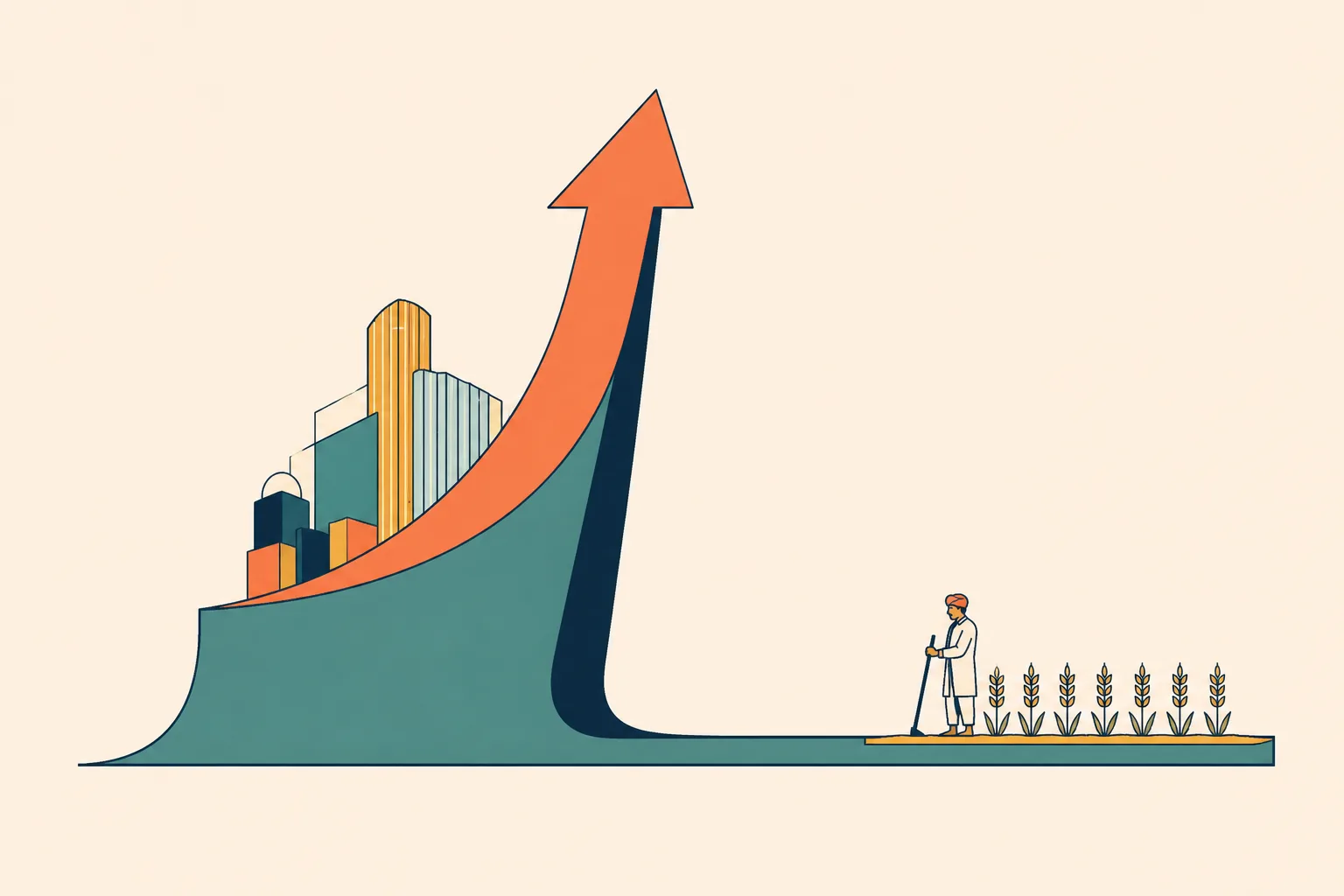
Arithmetic and lived experience still pull in different directions. The primary sector remains the clearest under-performer. Agriculture, livestock, forestry and fishing grew only 3.6 per cent in the latest quarter. Mining and quarrying contracted 2.4 per cent after a high base. These soft patches have persisted across successive quarters and years. The primary sector has struggled to clear 3 to 4 per cent while services and manufacturing have run at double or near-double that pace. Agriculture still employs a huge slice of the workforce, often estimated near 40 per cent or more, yet its share of gross value added continues to shrink toward 15-18 per cent. Mining is small in value added but matters for industrial inputs and for the regions that depend on it. These are the bad mules. They do not pull their weight in the growth story, and they receive less airtime because the headline GDP number looks strong.
The reasons are structural. Farming remains fragmented, monsoon-dependent and low on mechanisation and irrigation in large parts of the country. Allied activities such as livestock and fisheries do better, but they cannot fully offset crop-side weakness. Mining faces clearance delays, environmental constraints, weather interruptions and fluctuating global prices. Private capital prefers manufacturing, power, data centres, IT and financial services. Public capital expenditure has been heavy on roads, railways and energy. Agriculture gets large revenue support through schemes, subsidies and income transfers, but the capital intensity directed at raising farm productivity lags the infrastructure push that feeds the secondary and tertiary engines. In relative terms the primary sector absorbs a far smaller share of both government capital spending and private gross fixed capital formation than manufacturing or services.
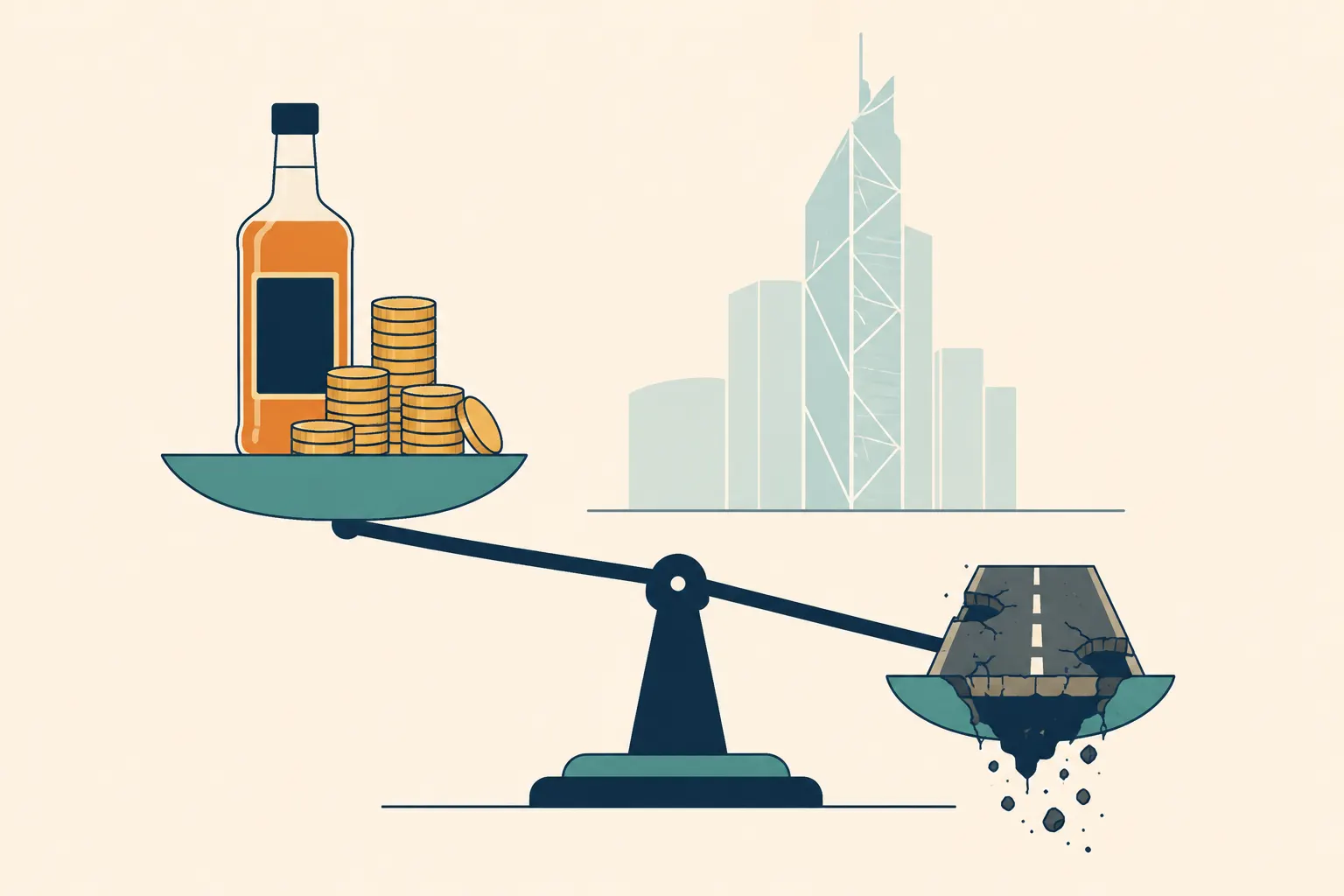
Nominal versus real adds another layer. The 10.3 per cent nominal growth in the latest quarter looks robust, yet the gap with the 7.8 per cent real figure reflects the price level. For households that gap shows up directly. Retail inflation has stayed uncomfortable in food items such as sugar and edible oils. Gold and silver have touched record highs. Real purchasing power for the median household does not expand at the same rate as the GDP deflator or the services deflator. The common citizen does not live inside the national accounts. She lives inside her monthly budget. When food, fuel and essentials rise faster than her income, the 7.8 per cent number feels distant.
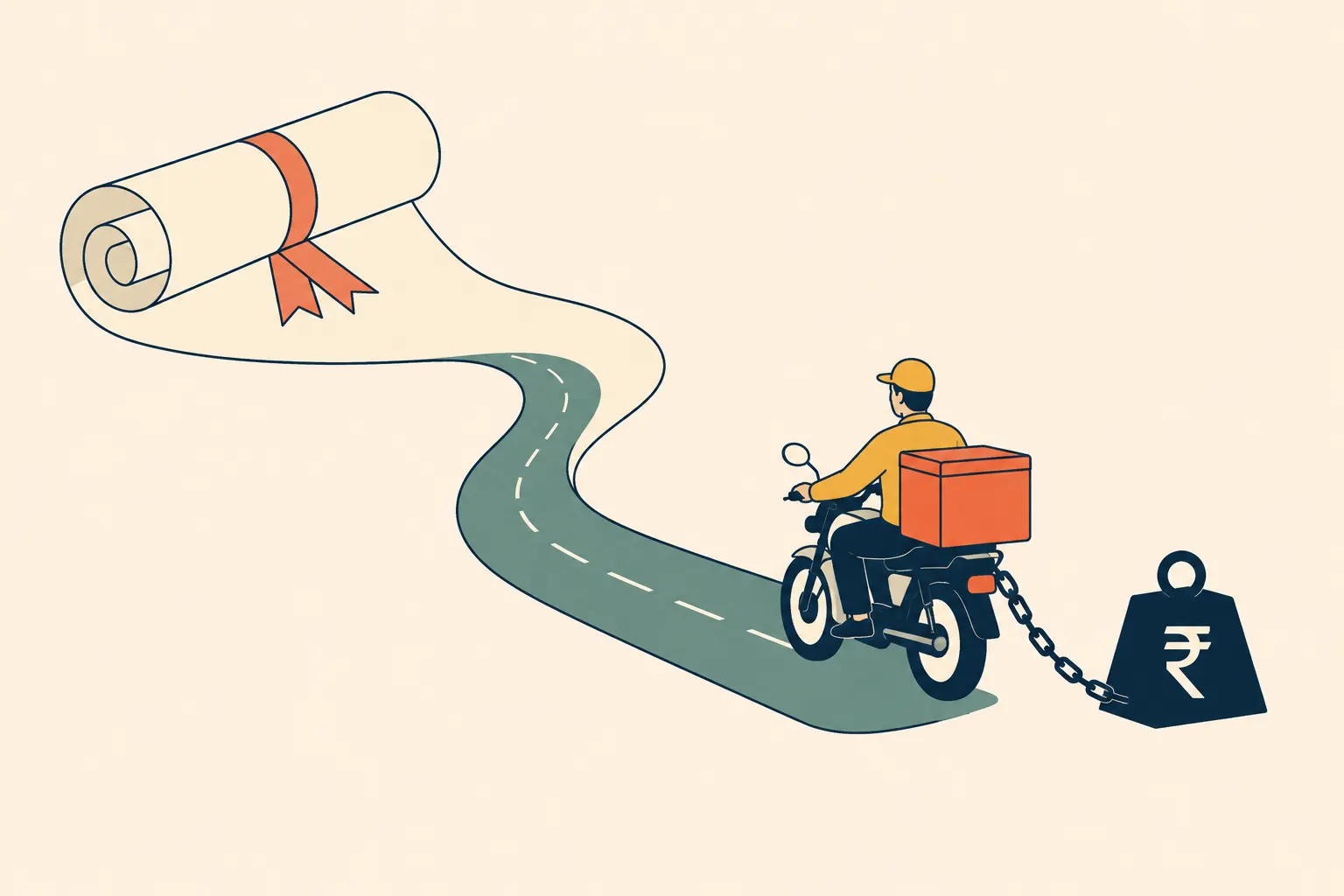
Job growth cuts closest to the bone. Official unemployment rates under the Current Weekly Status in the Periodic Labour Force Survey have hovered between 5.1% and 5.5% in recent months of 2026 (5.5% in June, easing to 5.1% in July), levels that many still consider elevated for an economy expanding at 7–8%. Urban rates sit higher at around 6.6–6.7%, while youth unemployment (ages 15–29) remains far more acute at 15.9% in the April–June 2026 quarter. Underemployment is more pervasive still, with a large share of the workforce engaged in low-hour or low-productivity work. Gig work has expanded rapidly—reaching 12 million workers in FY25, a 55% rise from 7.7 million in FY21, and now over 2% of the total workforce—yet it remains insecure by design, with roughly 40% of gig workers earning below ₹15,000 a month and limited access to social security or stable credit. Formal job creation has not kept pace with the 8–10 million new entrants joining the labour force each year. Manufacturing has grown strongly in value added, yet its employment elasticity has stayed modest, often in the 0.2 range in longer-term estimates, meaning output gains translate into relatively few additional jobs. Services growth has been concentrated in higher-skill segments such as financial, IT and professional services. The labour market continues to absorb large numbers into low-productivity self-employment or casual work rather than into stable, rising-wage employment. Absolute employment stood at an estimated 56.6 crore persons aged 15 and above in the April–June 2026 quarter, but the quality and security of those jobs lag the headline GDP numbers. GDP can rise while the quality of work for large numbers of people stagnates. This remains the central distributional fact of the current growth phase.
Can government spending alone keep the ship at 7-plus per cent? The short answer is no. Public capital expenditure has been a genuine stabiliser and enabler. It has crowded in some private investment and built physical capacity. But fiscal space is finite. Debt dynamics, interest payments and the need to keep deficits credible set hard limits. Prolonged reliance on government demand without a matching rise in private investment, productivity and export competitiveness eventually produces diminishing returns or macroeconomic stress. The long-run growth rate is set by private capital formation, total factor productivity, skills and the ability to reallocate labour out of low-productivity activities. Government can create conditions. It cannot permanently substitute for those forces.
The methodology change itself is worth noting without exaggeration. Moving the base year to 2022-23 and incorporating more administrative data improved coverage and reduced some of the earlier reliance on outdated ratios. Growth rates under the new series have been revised in places, but the broad direction remains one of solid expansion. Improved measurement of a dual economy still leaves the dual economy intact.
Stakeholder economics clarifies the split. For the government the high growth rate validates policy continuity, supports debt sustainability narratives and strengthens the external story. For large corporates and formal services firms the numbers translate into volume growth, capacity utilisation and pricing power. For equity markets and foreign investors the ranking and the growth differential versus the G7 remain attractive. For the median citizen the transmission is slower and incomplete. Higher GDP eventually raises the tax base and the fiscal room for transfers and public services, but the lag can be long and the leakage large. When agriculture lags, rural demand softens. When formal job creation is weak, the consumption impulse from the lower half of the income distribution stays muted. When inflation in essentials stays elevated, real wages for many households do not rise in line with the aggregate.
The last four quarters illustrate both the strength and the unevenness. Growth has stayed above 7 per cent in several recent prints, including back-to-back 7.8 per cent readings. Manufacturing and financial-IT services have carried the load. Construction has been supportive. Yet the primary sector has repeatedly underperformed. Absolute GDP has climbed into the 4-trillion-dollar neighbourhood in nominal terms and far higher on PPP. Those are not small achievements. They have forced a re-rating of India’s medium-term prospects among many who once bet against sustained high growth.
Still, the ground reality refuses to be airbrushed. A large workforce remains tied to a sector that grows at roughly half the overall rate. Underemployment and insecure work remain widespread. Inflation in the kitchen continues to bite. Private investment continues to flow disproportionately toward the already-strong segments. Public spending has done heavy lifting, but it cannot permanently paper over low productivity in the areas that employ the most people.
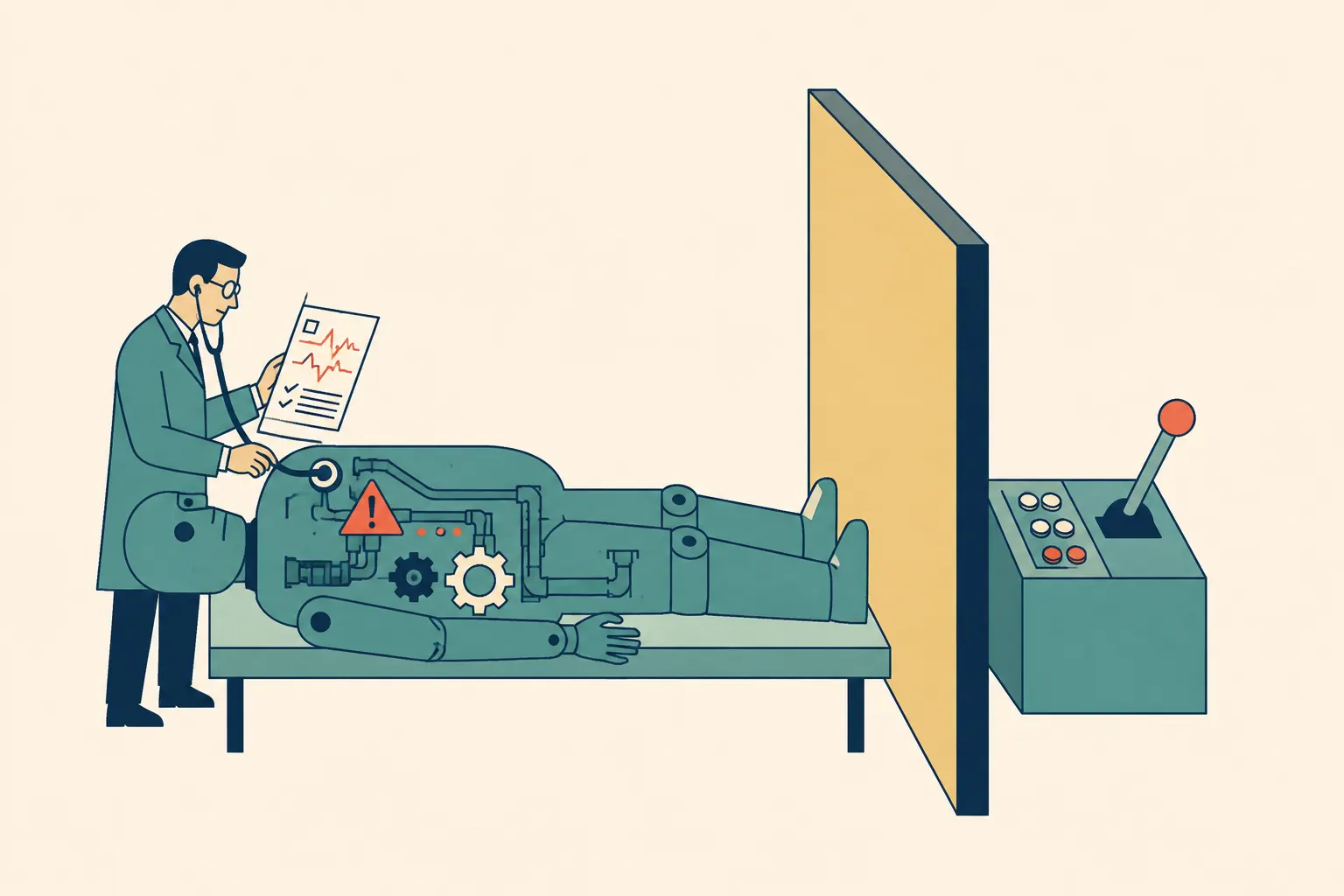
The honest reading stays double. The government has delivered growth numbers that have proved many sceptics wrong and that place India in a rare position among large economies. At the same time the composition of that growth, the lagging primary sector, the quality of jobs and the incomplete transmission to household purchasing power remain the binding constraints on how widely the gains are felt. High aggregate growth is necessary. It is not sufficient. Until the bad mules start pulling harder and until more of the workforce moves into higher-productivity activity with rising real incomes, the distance between the national accounts and the ordinary household will persist. The numbers are impressive. The lived experience is more mixed. Both need to stay in the frame.